Building Emotional Intelligence and Self-Worth in Children
Cognitive ability matters — but it only tells part of the story. Decades of research in developmental psychology suggest that a child's ability to understand, manage, and express emotions is a stronger predictor of long-term wellbeing than academic performance alone. The good news? Emotional intelligence isn't fixed. It's built, day by day, in the ordinary moments of home life.
Creating the conditions for emotional growth doesn't require a psychology degree. It starts with how you respond when your child is upset, how mistakes are handled in your household, and whether your child feels genuinely safe to say "I'm scared" or "I got it wrong."
| Emotionally Safe Home |
Emotionally Unsafe Home |
| Mistakes are treated as learning opportunities |
Mistakes are met with shame or punishment |
| Feelings are named and validated |
Emotions are dismissed ("stop being dramatic") |
| Child feels comfortable sharing problems |
Child hides struggles to avoid reaction |
| Boundaries are consistent and explained |
Rules shift unpredictably |
| Praise focuses on effort and process |
Praise (or criticism) focuses only on outcomes |
What Is Emotional Quotient (EQ) and Why Does It Matter for Kids?
EQ — emotional quotient — refers to a person's ability to recognize their own emotions, understand how others feel, and navigate social situations with empathy and self-control. Research from Harvard University indicates that EQ accounts for nearly 80% of adult success, outweighing raw intellectual ability in most life domains.
For children, developing EQ means building five core capacities:
- Self-awareness — recognizing and naming their own feelings
- Self-regulation — managing impulses and strong emotions
- Motivation — pursuing goals even when things get hard
- Empathy — genuinely understanding others' perspectives
- Social skills — communicating, cooperating, and resolving conflict
These aren't abstract personality traits. They're learnable skills — and parents are the primary teachers. Read more in our dedicated article on Emotional Quotient (EQ): How to Create An Emotionally Safe Zone For Children.
How to Create an Emotionally Safe Zone at Home: A Step-by-Step Guide
Knowing emotional safety matters is one thing. Actually building it at home is another. Here's a framework you can start using this week:
- Label emotions out loud — model it yourself: "I'm feeling frustrated right now, so I'm going to take a breath."
- Respond before you react — pause before correcting behaviour; ask "what happened?" before "why did you do that?"
- Validate without immediately fixing — sometimes children need to feel heard, not solved.
- Make repair normal — if you lose your patience, say sorry. Show that relationships survive conflict.
- Create a calm-down corner — a physical space where children can go to regulate, not as punishment, but as support.
- Discuss mistakes at the dinner table — including your own. It normalises imperfection.
- Check in daily with a feelings question — "What was the hardest part of today?" builds the habit of emotional reflection.
Tip: If your child hides mistakes from you, that's data. It usually signals that past reactions — even well-intentioned ones — felt unsafe. Start by making one small change: the next time something goes wrong, lead with curiosity instead of correction.
Self-Love for Kids and Teens: Books, Activities, and Daily Habits
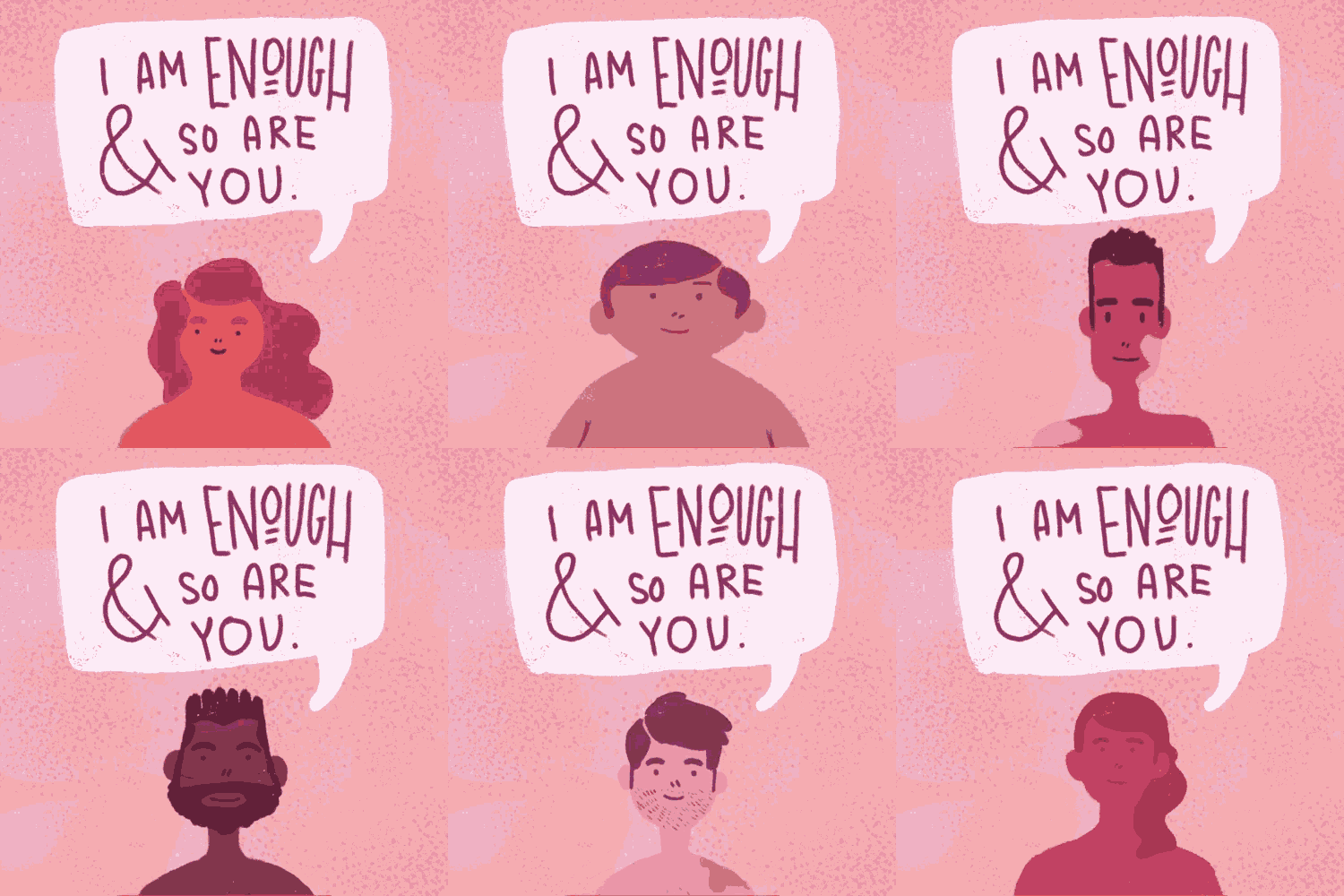
Children who struggle with self-worth don't need more praise — they need consistent experiences that prove they are capable, valued, and enough. Books are a surprisingly powerful tool here, because they let children explore big feelings at a safe distance.
Top self-love reads by age group:
- Ages 8–12: The Confidence Code for Girls (Katty Kay & Claire Shipman), You Are Enough (Margaret O'Hair), Weird! (Erin Frankel)
- Ages 13–18: The Self-Love Experiment (Shannon Kaiser), Body Positive Power (Megan Jayne Crabbe), Untamed (Glennon Doyle — for older teens)
5 daily habits that build self-acceptance in children:
- Start the morning with one genuine compliment — about character, not appearance
- Keep a "things I did well" notebook, even just one line per day
- Encourage your child to try something they're not good at yet — without pressure to perform
- Limit comparison conversations (including "your sister never..." style remarks)
- Let them make age-appropriate choices and honour those choices
Explore our full list in 7 Amazing Self-Love Books Everyone Must Read.
Fun and Educational Activities for Kids — Indoors and Outdoors
Play is how children think. It's not a break from learning — it is learning. The challenge for parents isn't finding activities; it's knowing which ones actually build something lasting, and which are just ways to fill an afternoon (also valid, by the way).
The table below gives you a quick reference across age groups, skills, and settings:
| Activity |
Age Group |
Skills Developed |
Materials Needed |
| Storytelling with puppets |
4–8 |
Language, creativity, empathy |
Socks, paper bags |
| DIY science experiments |
6–12 |
Critical thinking, curiosity |
Household items |
| Nature journalling |
7–14 |
Observation, writing, mindfulness |
Notebook, pencils |
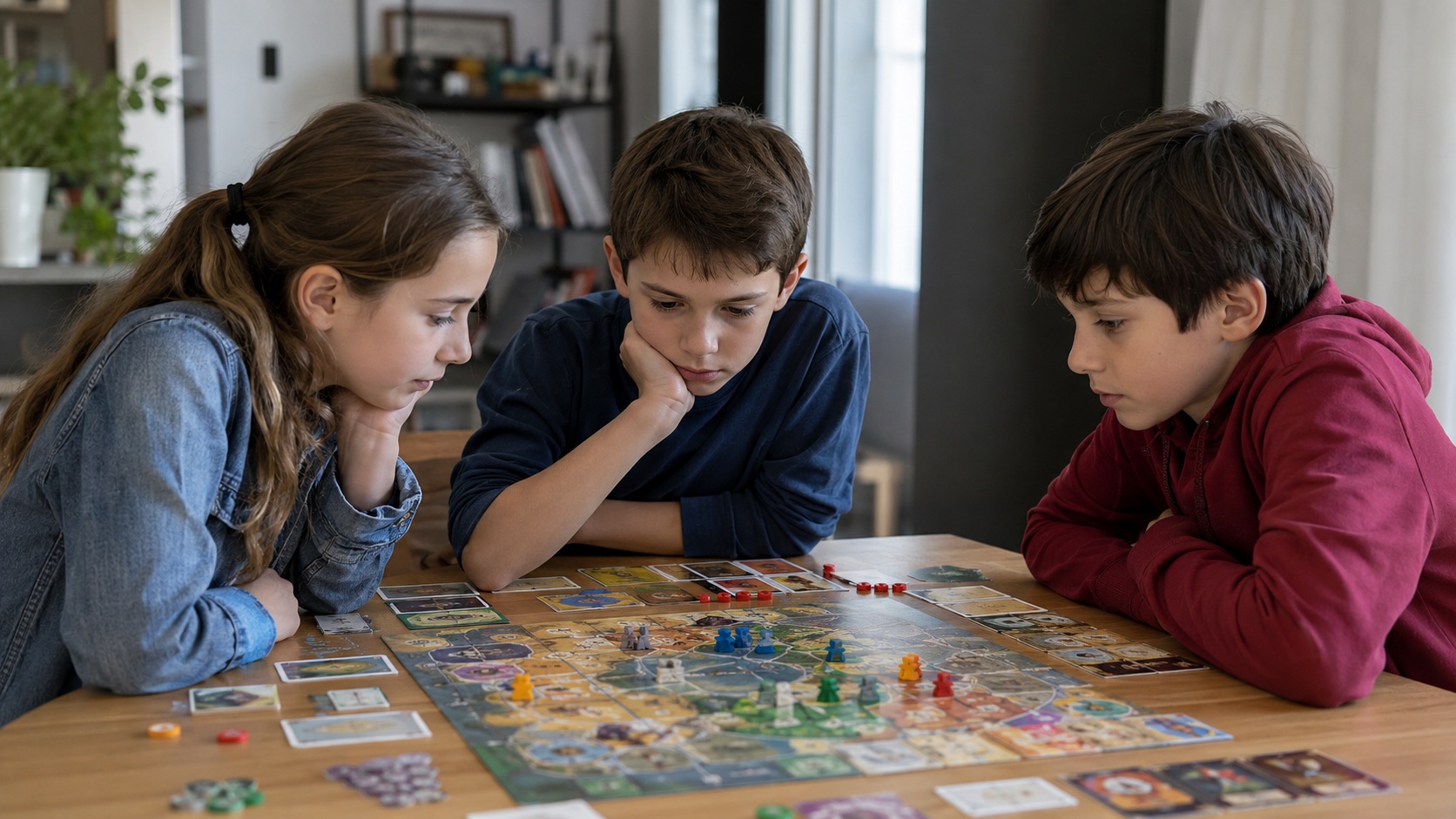
| Board games / strategy games |
8–16 |
Logic, patience, social skills |
Game of choice |
| Watercolour or acrylic painting |
5–16 |
Fine motor skills, self-expression |
Paint, paper, brushes |
| Gardening |
4–12 |
Responsibility, science, patience |
Seeds, soil, pots |
10 Best Indoor Learning Activities That Develop Real Skills
Rainy days don't have to mean passive screen time. These indoor activities are chosen specifically because each one builds a transferable skill — not just passes time.
- DIY Glow Jar — builds creativity and basic chemistry understanding (fine motor skills)
- Homemade Volcano — introduces cause and effect, scientific observation
- Storytelling dice — roll and build a story together; develops narrative thinking and vocabulary
- Paper bridge challenge — use only paper and tape to build the strongest bridge; teaches engineering logic
- Cooking a simple recipe — measurement, sequencing, and real-world maths
- Shadow puppet theatre — language development, dramatic expression, spatial reasoning
- Scrabble or word games — spelling, strategy, healthy competition
- Make your own comic strip — writing, illustration, sequencing
- Blindfold taste test — sensory awareness, descriptive language
- Build a fort with instructions — following directions, spatial thinking, collaboration
Pro tip: Rotate activities weekly. Novelty keeps engagement high — and you don't need to spend money to keep things fresh.
See the full collection in 15 Fun and Easy Indoor and Outdoor Kids Activities.
Outdoor Activities That Teach Children to Appreciate Nature
Time outside isn't just good for physical health — research consistently links regular contact with natural environments to lower cortisol levels, improved attention spans, and greater emotional resilience in children. The key is making it intentional, not just incidental.
5 outdoor nature activities by season:
- Spring: Plant a seed and track its growth in a nature journal
- Summer: Conduct a backyard insect count — ID and tally what you find
- Autumn: Leaf pressing and tree identification walk
- Winter: Cloud-watching and weather journalling (what does the sky tell us?)
- Any season: Barefoot sensory walk — grass, soil, gravel — describe each texture
These activities teach children to pay attention. That skill — noticing, observing, staying present — is one of the most useful things a child can carry into adult life. Explore more ideas in our article on Appreciating Nature: How to Help Your Child Develop an Appreciation for Nature.
Creative Arts and Crafts Activities: Why Making Things Matters
Here's something many parents don't know: according to Americans for the Arts, students engaged in arts education are four times more likely to be recognised for academic achievement than those who aren't. Creative activity isn't a nice-to-have — it's developmental infrastructure.
3 beginner art projects with developmental links:
- Acrylic painting on canvas — builds fine motor control, colour theory awareness, and emotional expression. Mistakes are visible — and that's the point. Children learn to work with them rather than abandon the piece.
- Collage from recycled materials — develops spatial reasoning, resourcefulness, and abstract thinking
- Clay modelling or air-dry sculpture — strengthens hand muscles, concentration, and three-dimensional problem-solving
Ready to start? Our step-by-step guides on Easy Acrylic Painting for Kids and Oil Painting Techniques Children Should Know walk through everything from choosing materials to finishing a piece.
The Best Books for Children — Reading Guides by Age and Need
A good book at the right moment can shift how a child sees themselves, processes fear, or understands the world. The problem most parents face isn't a shortage of book lists — it's the shortage of contextualised ones. What's this book actually for? Is it right for my child's age? Will it help with what we're going through right now?
This section organises our reading recommendations by age group, purpose, and specific need.
| Book Title |
Age Group |
Theme |
Why We Recommend It |
| The Invisible String |
4–8 |
Separation anxiety, connection |
Gently reassures children about love across distance |
| Wonder |
8–12 |
Empathy, difference, belonging |
Sparks deep conversations about kindness and identity |
| The Dot |
5–9 |
Creative confidence, self-belief |
Perfect for children who say "I can't draw" |
| Fish in a Tree |
9–13 |
Dyslexia, self-worth, resilience |
Helps children with learning differences feel seen |
| The Alchemist |
14–18 |
Purpose, perseverance, identity |
A formative read for teens navigating self-discovery |
Building a reading habit doesn't require long sessions. Research from the National Center for Family Literacy found that children read to at least three times per week are 1.4 times more likely to score in the top reading readiness range. Even ten focused minutes — same time, same place, every day — compounds significantly over a school year.
Books for Children with Learning Disabilities: A Parent's Curated List
Finding the right book for a child who struggles with reading can feel like searching for something that doesn't exist. These five titles are chosen for accessibility, representation, and their ability to open conversations without overwhelming:
- Fish in a Tree by Lynda Mullaly Hunt — A middle-grade novel about a girl with dyslexia who hides her inability to read. Ideal for ages 9–13; helps children feel understood and gives parents language to start the conversation.
- The Dyslexia Empowerment Plan by Ben Foss — Written for parents and older children together; practical and non-alarmist.
- My Mouth Is a Volcano! by Julia Cook — Tackles impulse control for children with ADHD; ages 4–8.
- All Dogs Have ADHD by Kathy Hoopmann — Uses dog photography and playful text to help young children identify with ADHD traits positively.
- The Survival Guide for Kids with Dyslexia by Teri and Brock Eide — Straightforward, child-directed language that builds self-advocacy skills.
Tip for reading aloud: Let the child hold the book, even if you're reading. Finger-tracking along the page builds phonemic awareness — and it gives them a sense of control over the experience.
Find more recommendations in Books for Children with Learning Disabilities.
The Real Benefits of Reading Books for Children's Brain Development
Reading doesn't just teach children words. Brain imaging studies show that reading activates areas associated with language, sensory processing, and emotion simultaneously — a kind of full-brain workout no other activity quite replicates.
Five proven benefits of daily reading for children:
- Vocabulary growth — children who read regularly encounter up to 50% more unique words than those who don't
- Stronger working memory — tracking plot and characters builds the same cognitive muscle used in problem-solving
- Greater empathy — narrative fiction, specifically, has been shown to increase perspective-taking ability
- Better focus and attention span — sustained silent reading trains voluntary attention, which transfers to classroom learning
- Emotional regulation — children often process their own experiences through fictional characters before they can articulate them directly
Read our detailed breakdown in Benefits of Reading Books for Children.
How to Build a Daily Reading Habit in Children Who Resist Books
A child who won't sit still for a picture book isn't broken — they just haven't found their entry point yet. These strategies work for reluctant readers across age groups:
- Let them choose — entirely. Even graphic novels, joke books, and sports almanacs count. Reading is reading.
- Read alongside them. Children are more likely to read when they see adults reading too — not scrolling, actually reading.
- Audio plus text. Following along in a book while listening to the audiobook simultaneously helps struggling readers build fluency without frustration.
- Connect books to interests. A child obsessed with football will read a football biography. Start there.
- Make the environment right. A dedicated, cosy spot associated only with reading creates a positive physical anchor.
- Celebrate pages, not books. For early reluctant readers, finishing five pages is worth acknowledging. Don't wait for the whole book.
"I stopped fighting my son about reading and just left a Guinness World Records book on his bed. He read it cover to cover in two weeks. Now he's on his fourth novel." — Parent, Podium School community
Helping Children with Different Learning Needs Thrive
"My daughter's teacher told me she wasn't trying hard enough. It took two more years to find out she had dyslexia. I wish someone had given me a plain-language guide earlier." — Parent, primary school, UK
Learning differences affect an estimated 1 in 5 children worldwide — yet they remain widely misunderstood, misidentified, and in some cases, actively stigmatised. Children who learn differently aren't less capable. They're differently wired. The goal isn't to fix them; it's to find the environments and strategies where they can genuinely flourish.
This section covers:
- How to recognise common learning differences without over-diagnosing
- Practical strategies for home and school
- Resources and books that help children understand themselves
Understanding Common Learning Differences: A Plain-Language Guide for Parents
The terminology around learning differences can feel clinical and confusing. Here's a straightforward overview of the most common ones:
| Learning Difference |
Key Signs |
Common Strengths |
Helpful Strategies |
| Dyslexia |
Difficulty decoding words, letter reversal, slow reading pace |
Strong storytelling, big-picture thinking, creativity |
Audiobooks, structured phonics programmes, extra time on tasks |
| ADHD |
Difficulty sustaining attention, impulsivity, high energy |
Enthusiasm, creativity, hyperfocus on interests |
Short task bursts, movement breaks, visual schedules |
| Dyscalculia |
Persistent difficulty with number sense and arithmetic |
Often strong in verbal reasoning and social skills |
Tactile number tools, real-world maths contexts, graph-based learning |
| Sensory Processing Differences |
Over- or under-sensitivity to sound, light, texture, or touch |
Heightened perceptiveness, deep focus in right environments |
Sensory-friendly environments, noise-cancelling headphones, structured routines |
Important: The signs above are starting points for observation, not diagnosis. If you have concerns about your child's learning profile, consult a qualified educational psychologist. Early, accurate assessment makes a significant difference.
Practical Classroom and Home Strategies for Supporting Diverse Learners
You don't need to wait for a formal diagnosis — or a perfect school programme — to start making things better at home. These eight strategies are grounded in evidence and immediately actionable:
- Break tasks into small, visible steps. Large tasks are overwhelming; chunked tasks are manageable.
- Use multi-sensory learning. Combine audio, visual, and physical elements wherever possible.
- Build on strengths intentionally. Identify what your child excels at and use that as a bridge into harder material.
- Reduce working memory load. Write instructions down; don't just say them out loud.
- Celebrate effort and strategy, not just results. "You tried three different ways to solve that" builds persistence.
- Communicate proactively with teachers. Share what works at home; ask what strategies they're using in class.
- Allow movement. For many children with ADHD or sensory differences, moving is thinking.
- Protect your child's self-narrative. Children who believe they are "bad at school" are harder to reach than children who believe they learn differently.
For reading support specifically, explore our curated list of books for children with learning disabilities. And if you're exploring specialist educational support, Podium School's learning programmes are designed with diverse learners in mind.
Creative Skills That Set Children Up for Life — Art, Drama, and Public Speaking
The World Economic Forum's Future of Jobs Report lists creativity, communication, and critical thinking among the top five skills children will need for careers that don't yet exist. These aren't soft skills — they're survival skills for a changing world.
The earlier children have structured opportunities to develop them, the better. Here's a quick-reference matrix across the creative disciplines covered on this blog:
Why Acting and Drama Are Powerful Tools for Child Development
Drama is often treated as entertainment. It's actually one of the most cognitively and emotionally demanding activities a child can engage in — and the research backs this up.
6 ways drama builds confidence and empathy in children:
- Inhabiting a character requires genuine perspective-taking — the neurological foundation of empathy
- Learning lines and blocking develops working memory and sequential thinking
- Performing in front of others builds tolerance for vulnerability — the real source of confidence
- Improvisation exercises train rapid, creative problem-solving
- Ensemble work teaches collaboration, listening, and shared responsibility
- The physical demands of stage movement improve spatial awareness and body confidence
Explore our acting and drama classes for kids — or try a free introductory session with Podium School to see how your child responds to this kind of learning.
Public Speaking for Kids: How to Help Your Child Find Their Voice
Most adults list public speaking among their greatest fears. The reason? No one practised with them as children. Starting early — and making it low-stakes — changes everything.
According to the World Economic Forum, communication ranks consistently in the top five skills needed for future employment. Children who can articulate ideas clearly, hold a room, and respond to questions don't just perform better academically — they navigate relationships and workplaces with far more ease.
5 public speaking exercises you can do at home:
- "Teach it back" — after a lesson or book, ask your child to explain what they learned as if you know nothing about it
- The 60-second speech — pick any object in the room and talk about it for one minute without stopping
- Interview the family — your child asks prepared questions; you and other family members answer. Builds active listening and follow-up thinking.
- Record and review — watch it together without criticism; let them notice their own strengths first
- Debate a silly topic — "Cats are better than dogs." Low stakes, high engagement, real argumentation practice
Find structured public speaking development through our public speaking resources for children.
How to Learn Fashion Design and Other Creative Disciplines as a Child
Fashion design sounds niche — but the skills it develops aren't. Spatial reasoning, visual problem-solving, understanding of proportion and colour, and the ability to take an idea from concept to finished product — these transfer directly into architecture, product design, engineering, and entrepreneurship.
4 ways to introduce fashion design to children at home:
- Start with paper doll design — draw outfits, experiment with pattern and colour before touching real fabric
- Upcycle old clothes together — cutting, sewing simple seams, adding embellishments
- Study fashion history as art history — the evolution of clothing is inseparable from social and cultural history
- Use free design tools like Canva or Procreate for older children to create digital fashion mood boards
Our full guide on how to learn fashion design covers techniques, tools, and first projects appropriate for children and teens. If your child is ready for structured creative learning, explore the creative courses available at Podium School.
Your Top Questions Answered
What are the most important skills to develop in children between ages 5 and 12?
The short answer: emotional intelligence, literacy, creative thinking, and basic social skills form the core of what researchers call "the whole child" framework. Emotional skills — recognising and managing feelings — underpin everything else. A child who can regulate themselves can focus; a child who can focus can learn almost anything. Alongside EQ, reading fluency by age 8 is one of the strongest predictors of academic success across subjects. Creative and physical play during these years isn't optional — it's how the brain builds problem-solving architecture. See our emotional intelligence section and reading guide for practical starting points.
How can I tell if my child has a learning disability, and what should I do?
Common early signs include persistent difficulty with reading or writing (despite regular practice), trouble organising tasks, very short attention spans out of proportion with peers, or strong resistance to school that isn't purely behavioural. That said, these signs can have many causes — and informal observation from home isn't enough for a reliable picture. The right first step is a conversation with your child's teacher, followed — if concerns persist — by a referral to an educational psychologist for formal assessment. Early identification makes a measurable difference to outcomes. Our learning differences section covers signs, strengths, and practical strategies while you're in that process.
What are the best activities to keep kids engaged and learning at home?
The most effective activities combine novelty, a degree of challenge, and something to show for it at the end. Science experiments, storytelling projects, cooking, and art all hit that trifecta. For younger children (4–8), keep tasks short and tactile. For older children, open-ended projects with genuine creative control tend to hold attention better than structured worksheets. Our full activities section includes an age-and-skill breakdown table, plus a curated list of indoor and outdoor activities for kids.
How do I help my child build self-confidence and a positive self-image?
Confidence isn't built through constant praise — it's built through competence. Let your child struggle a little before stepping in. Acknowledge effort explicitly: "That was hard and you kept going" is more useful than "You're so clever." Build emotional safety at home so that failure isn't something to hide. And be intentional about the stories your child encounters — books, films, and role models who reflect both who they are and who they could become. See our step-by-step guide to creating an emotionally safe home, and explore the self-love book recommendations organised by age.
At what age should children start learning creative skills like art, drama, or public speaking?
Earlier than most parents expect. Children as young as 3–4 benefit enormously from unstructured art play and simple dramatic imagination games — the developmental returns at this stage are high precisely because the brain is most plastic. Structured art instruction becomes productive around age 5–6. Drama classes with simple ensemble work are well-suited from age 4 upwards. Public speaking, in a formal sense, is most effective from around age 6 or 7, when children can hold a thought across a full sentence and begin to understand an audience. Informal practice — "teach it back," family debates, show-and-tell at home — should start even earlier. See our creative skills section for a full breakdown.